
Quick Bite:The GLP-1 Consumer Doesn't Exist

Announcement: A few weeks ago I published a regular edition and a special edition. The response was overwhelming and informative. What I heard from many of you is that you really liked the split.
Therefore, FoodStuff is changing. Going forward I’ll be publishing two different types of posts through a month: Quick Bites and Deep Cut. Quick Bites, like the current issue, are posts covering the latest launches with bite-sized commentary. Deep Cut will cover one or two topics in great depth. Something for everyone (and don’t worry, this not a step toward paywalling)!
Thank you to everyone that reached out. If you are enjoying FoodStuff, please share with with others.
In today’s FoodStuff Quick Bites:
The GLP-1 Consumer Is there really A person?
Quick Bites
Signals from the Shelf: Early indications of what’s coming next
Gut Reaction: My hot takes on new offerings
Tidbits: The latest in food industry news, from the profound to the funny
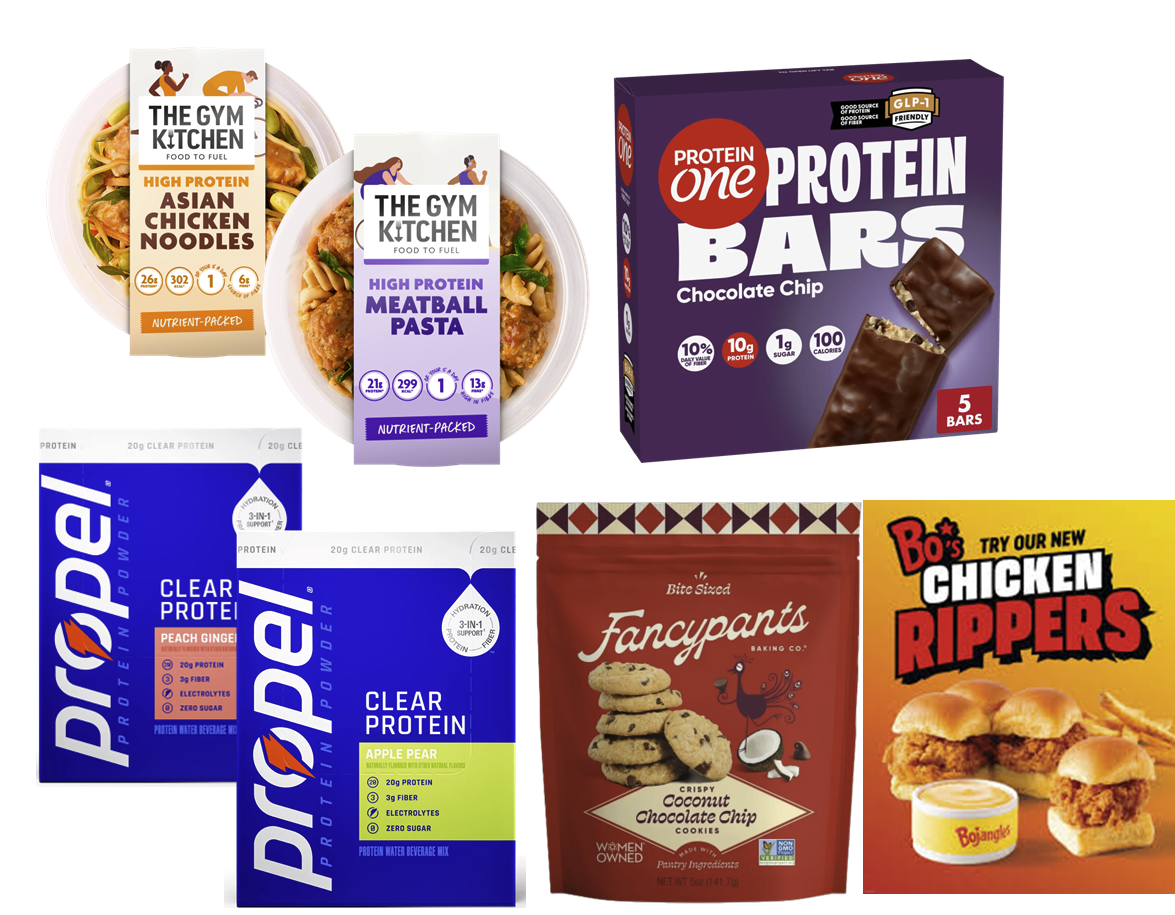
Products: The Gym Kitchen Nutrient Packed Range; Protein One GLP-1 Friendly; Propel Clear Protein; BoJangle’s Chicken Rippers; Fancypants Coconut Chocolate Chip cookies
The GLP-1 Consumer Doesn’t Exist
Everyone in CPG is designing for “the GLP-1 consumer” as if it were a coherent segment (I’ve seen this in Plans decks and in Demand Space segment filters). Smaller portions, nutrient-dense, high-protein, and super functional products. But in all my experience, this doesn’t reflect reality. Don’t get me wrong, these are the right types of products for people on the drugs, but the actual GLP-1 population is wildly heterogeneous, especially with the advent of the low-cost pill. Some of these folks are on it for six months and cycle off. Some are on low doses for years. Some are taking it and still eating cookies or fast food (just mini-versions, see above). The cycling behavior alone makes “the GLP-1 consumer” a terrible ‘segment’ to design around, because their needs shift every few months.
What CPG is actually seeing isn’t one new consumer segment but a new volatility pattern in existing segments. The person who bought your protein bar last quarter might not need it this quarter because they cycled off and their appetite is back to normal. Yes, some portion habits stick post-cycling, so smaller and more portable designs make sense, but building a SKU strategy around behavioral residue from a drug people take intermittently is a hard bet. Plus the early data on weight regain after stopping the drug suggests most physiological effects don’t stick the way the optimists hope.
All of which is to say, the “GLP-1 consumer” is feeling less like a trend to design for and more like an intermittent demand signal. I’m not saying GLP-1 doesn’t reshape the market. Some consumers will be on these drugs for life, and the portion and density expectations they normalize will bleed into how non-users eat too. But that’s a gradual cultural shift, not ONE segment you can target with a SKU launch next quarter. I’m increasingly thinking the smarter play is portfolio flexibility first, segment targeting second (with SKU development mixed in). But that’s a harder story to sell internally.
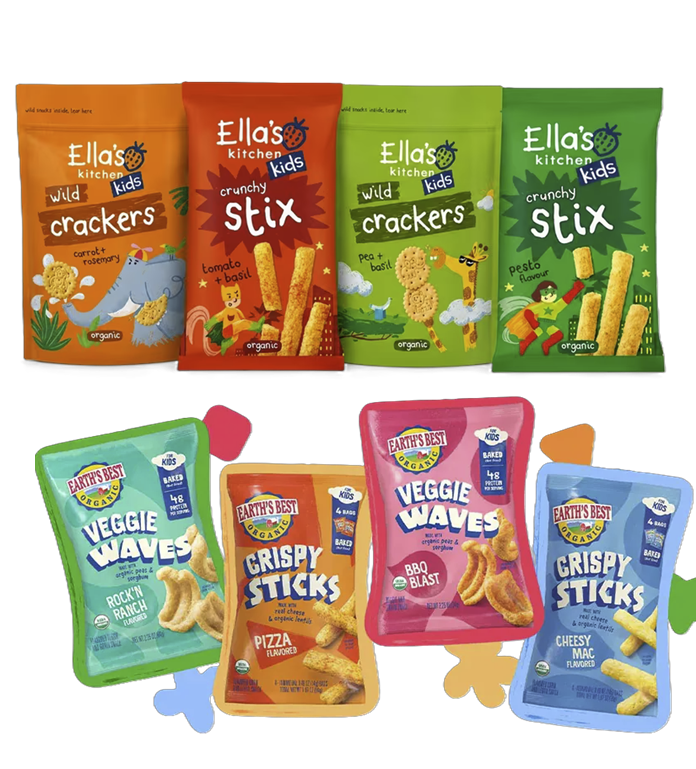
The New Baby Gap
Infant food companies have a captured audience. Parents pick the brand because of its ingredients, convenience and child acceptance, but once the kid hits a particular age, they usually graduate into eating what the household eats. That’s great for the family (we all eat from one communal pantry) but bad for baby food makers.
However, there is a change happening. The MAHA movement has come to center a lot on kids, questioning the ingredients and processing of kid-directed foods, especially snacks. What I’m seeing: this is ‘widening the window’ for parents in their search for ‘cleaner food’ well into the toddler years and beyond. Whereas previously a 5-6 year old would have ‘graduated’ to Doritos (just like the rest of the house), today there is stigma. Enter brands like you see at above (and many others). It makes sense that companies like Once Upon a Farm (that are trusted to make baby foods) are aging up their offerings in-line with parents’ growing anxiety. The question is, will large snack makers find a way clean up their decks in a trustworthy way and fight back?
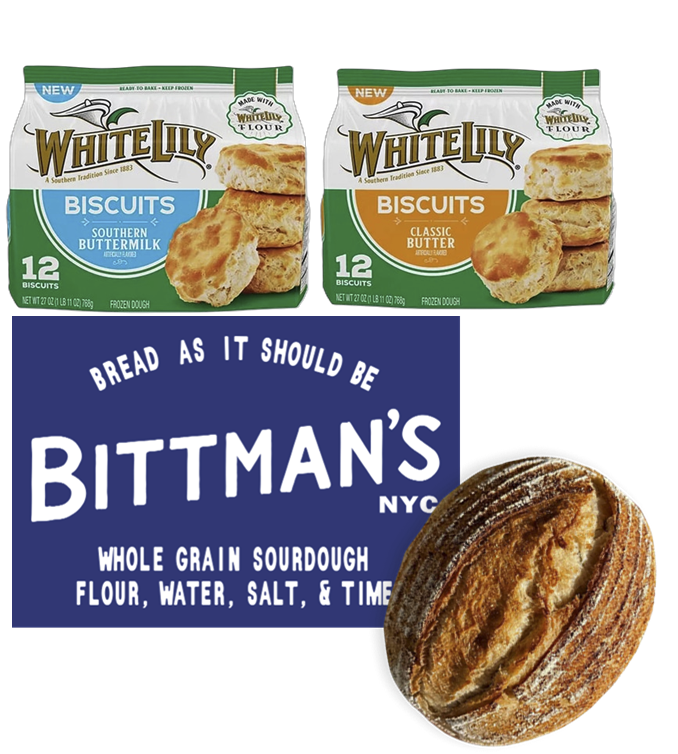
Products: Bittman’s Frozen Sourdough; White Lily Frozen Biscuits
Why Baking from the Freezer is so NOW
Do you know what the fastest growing frozen category is? Cookie dough. I know it was surprising to me too. However, frozen seems to be having a moment when it comes to baked goods in general. See White Lily frozen biscuits or Bittman’s (as in Mark Bittman’s) new frozen sourdough bread company. I see this as a convergence of several forces: (1) more people either living alone, or the family doesn’t eat together, so frozen allows you to bake just what you need; (2) less waste, even though these may be pricier options you end up throwing away less than if you bought a Costco tray; (3) the rise of cooking appliances like air fryers that make baking one biscuit or one cookie realistic (and fresher; again a ding against RTE); (4) the increased respect for frozen food quality. Previously seen as the dregs of packaged food, frozen’s cred has risen (thanks to technology and retailers like Trader Joes). Net-net: I think we’ll be seeing a lot more frozen bakery shortcuts (a lot borrowed from the playbook of foodservice companies) in the very near future.
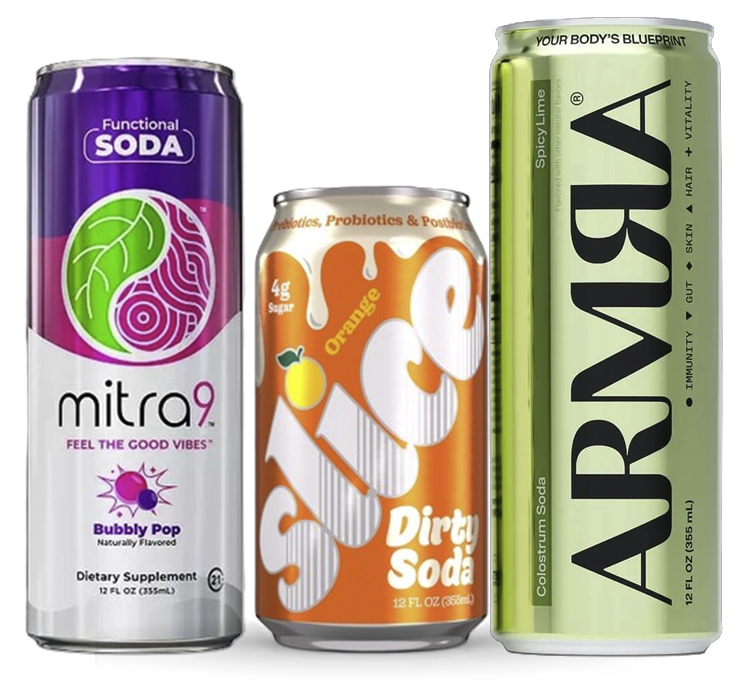
Products: Mitra9; Slice Dirty Soda; Arma
Carbonated Supplements?
Olipop and Poppi did something genuinely hard: they convinced people who had mostly abandoned a category to come back to it. Soda was verboten then prebiotics provided the permission slip. A little fiber, a better-for-you story, and suddenly soda creeped back into the fridge. Now a whole raft of new functional soda entrants are hitting the market, but they aren’t using the functional ingredient as an innocuous add-on, they’re making it increasingly the reason to buy.
Postbiotics, colostrum and mitragynine (the active compound in kratom, yeah the c-store stuff) are now showing up in sodas . I’m not sure about you, but these are increasingly feeling less like sodas and more like carbonated supplements. I’ll be interested to see if consumers go along with this when the actual dose becomes something you need to pay attention to.

Innovation That Actually Works
Most teams have no shortage of data. What they lack is a way to turn it into a profitable, future-ready portfolio. Too often, innovation ends up trapped in templates, recycled playbooks, and launches that feel safe but stall out.
Malachite is different. We don’t push frameworks for the sake of process. We build strategies rooted in real consumer needs, sharpen portfolios, and design innovations that stick. All done in facilitated concert with your team. It’s innovation built for profitable outcomes, not theater.
SIGNALS FROM THE SHELF

Products: Bettergoods Tuna and Trout; Island Way Lemonade Bites; Fruit Riot Sunny D Mango; TruFru Greek Yogurt; David Cinnamon Roll bar; Barebells Banana Bread Bar
GUT REACTION

Products: Oroweat Fiber Power;OceanSpray Fireworks Cranberry Mix; Bisquick Cinnamon Toast Crunch; Little Latke potato crisps.
Food Industry
Amazon launches GLP-1 weight loss program, promising ‘fast, convenient’ access
Chicken is winning the protein wars
Starbucks cuts tech jobs as new CTO reshapes organization
150 Million Americans Feel Dehydrated*. Gatorade Aims to Change How People Think About Hydration
NYC Mayor Mamdani Announces La Marqueta as First Site Identified for City’s Public Grocery Stores
Palantir inks $300 million deal with USDA to safeguard food supply
Walmart trials in-store warehousing for faster e-commerce fulfilment – report
Should We Finally Ditch Artificial Sweeteners for Good?
Ajinomoto Creates New Tech to Replace One of Cultivated Meat’s Most Expensive Components
“Ozempic breath“ is boosting Hershey’s sales of mints and gum
Food Industry Sees a Threat in Kennedy’s Push to Define ‘Ultraprocessed’ Food
Why Beef Prices Continue to Stay So High
Food manufacturer Cento is committing “tomato fraud,” lawsuit alleges
Dunkin’ owner Inspire Brands confidentially files for IPO
Interesting
Consumer sentiment falls to fresh record low in May as surging gas prices hit outlook
P&G warns of $1 billion profit hit in fiscal 2027 from higher oil prices
Maryland is moving to ban companies like Walmart and Kroger from ‘surveillance pricing’ — what it is and how to avoid it
Meet the MAHA Moms Protesting Against Pesticides
Oil in everyday things: How the Iran war is driving up the cost of your shopping cart
80% of CEOs worry their job is at risk if AI fails this year, survey shows
Companies Are Getting Tariff Refunds. Here’s What They Plan to Do With the Money.
Why HRV Is the New Longevity Obsession
Fun & Odd
Why millennials are feral for chicken Caesar wraps
The science of hosting the perfect dinner party
Wall Street’s Elite Team of Coffee Tasters Who Keep the Global Market Running
Stolen French fries taste better, according to science
It’s the Most Beautiful Taco Bell in the World. Here’s Why It Could Never Be Built Today
Starting May 1, teahouses in China must now disclose if dumplings are made by machines
Building a SKU strategy around behavioral residue from a drug people take intermittently' is the sharpest sentence written about GLP-1 in CPG this year. Every brand I study that died was chasing a consumer segment that turned out to be a temporary behavior pattern. The segment looked real in the data because the data captured a moment, not a trajectory. GLP-1 is doing the same thing to product development teams right now. They see the signal, build the SKU, and by the time it hits shelf the consumer has cycled off the drug and her appetite is back and she's buying the full-size bag again. Portfolio flexibility over segment targeting is the right call but you're right that it's a harder internal sell. 'We need to be ready for anything' doesn't get budget. 'We're launching for the GLP-1 consumer' does. That's how companies end up with a warehouse full of 100-calorie portions nobody's buying in Q3